






Microscopes

Brand: Euromex
Stereo mikroskopas Euromex StereoBlue 2/4 turi dvi galvutes ir du plataus lauko okuliarus.Prietaisas naudojamas medicinos ir sveikatos priežiūros srityje, žemės ūkyje, visuomenės apsaugos departamentuose, mokyklose ir mokslinių tyrimų institutuose. Taip pat taikomas mažų tikslių elektronikos detalių..
379.00€
Ex Tax:313.22€

Brand: Euromex
Binokuliarinė lupa Euromex StereoBlue bino zoom
Aukštos kokybės, puikios konstrukcijos ergonomiškas, kintamo didinimo stereo mikroskopas, kurie didindami leidžia geriau matyti tiriamus mikro objektus. Jie turi 3600 laipsnių apsukamą trinokulinę galvutę, kurios tubusų palinkimo kampas 450 laipsni..
539.00€
Ex Tax:445.45€
Brand: Euromex
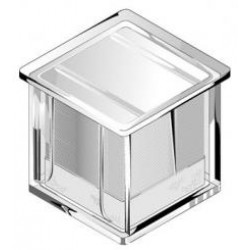
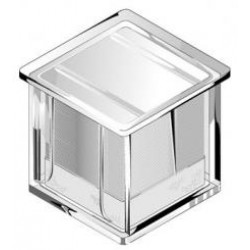
Dengiamieji stikliukai preparatams 18x18 mm
Savybės:
Komplektas: 100 stikliukų
Išmatavimai: 18x18 mm..
4.20€
Ex Tax:3.47€
Brand: Euromex
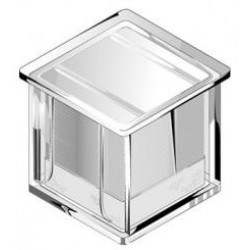
Dengiamieji stikliukai preparatams 20x20 mm
Savybės:
Komplektas: 100 stikliukų
Išmatavimai: 20 x 20 mm..
4.00€
Ex Tax:3.31€
Brand: Euromex
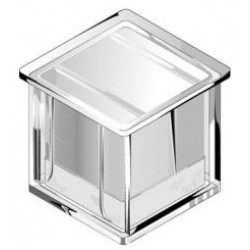
Dengiamieji stikliukai preparatams 22x22 mm
Savybės:
Komplektas: 100 stikliukų
Išmatavimai: 22 x 22 mm
..
4.00€
Ex Tax:3.31€
Brand: DeltaOptical
Dengiamieji stikliukai preparatams 24x24 mm
Savybės:
Komplektas: 100 stikliukų
Išmatavimai: 24x24 mm
Storis: 0.13 - 0.17 mm..
4.00€
Ex Tax:3.31€
Brand: DeltaOptical
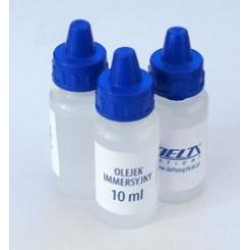
Imersinė alyva 10 ml
Imersinis aliejus, skirtas naudoti su 100x (oil) didinančiais objektyvais, siekiant padidinti stebimo preparato skiriamąją gebą.
Savybės:
Buteliukas: 10 ml...
7.00€
Ex Tax:5.79€
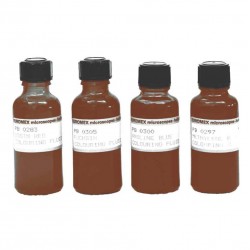
Brand: Euromex
Imersinis aliejus Euromex, skirtas naudoti su 100x (oil) didinančiais objektyvais, siekiant padidinti stebimo preparato skiriamąją gebą.
SAVYBĖS:
Talpa: Stiklinis buteliukas 25 ml.
Euromex - Olandija..
7.50€
Ex Tax:6.20€
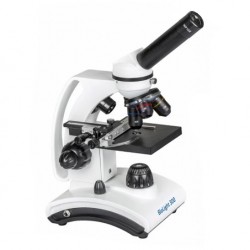
Brand: DeltaOptical
Mokomasis biologinis mikroskopas Biolight300 yra puikus pasirinkimas įvairioms mokslo bei mokymoįstaigoms ar pradedantiesiems tyrinėtojams. Tai išties geras ir patogus optinis prietaisas, kuris padės Jums susipažinti su mikroskopija.
Komplektacijoje yra įvairių priedų (preparatų, tuščių stikleli..
105.00€
Ex Tax:86.78€
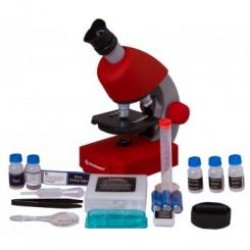
Brand: Bresser
Mikroskopas Bresser Junior 40-640x - raudonas
Vaikiškas mikroskopas didinantis nuo 40 iki 640x kartų
Mikroskopas turi apatinį pašvietimą.
Komplektacijoje yra paruoštų preparatų ir įvairių įrankių.
Savybės:
Mikroskopas
Preparatų laikikliai
Maitinimas 3vnt. AA batter..
43.00€
Ex Tax:35.54€
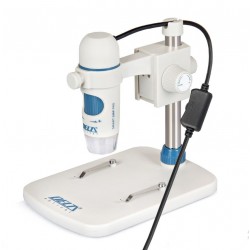
Brand: DeltaOptical
Mikroskopas su laikikliu (skaitmeninis) PRO 5 MP. Programinė įranga yra ir Lietuvių kalba !
SAVYBĖS:
Rankinis skaitmeninis mikroskopas didinantis 20x-300x
Patogu žiūrėti ir fotografuoti su jūsų kompiuteriu
5 MP CMOS, 5 MP (2582 x 1944), 3 MP (2048 x 1536), 2 MP (1600 x 1200),..
99.00€
Ex Tax:81.82€
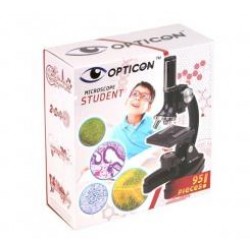
Brand: Opticon
Mikroskopas žaislas Student
Mokomasis mikroskopas – tai puiki dovana augančiam vaikui. Turi plastikinį stovo pagrindą, optinio stiklo lęšius ir skirtingus priedus. Juo galėsite stebėti ir pažinti mus supantį pasaulį, pritaikydami mokykloje įgytas žinias, bei daryti naujus atradimus.
Charak..
35.00€
Ex Tax:28.93€
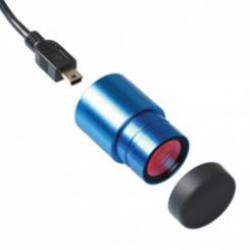
Brand: DeltaOptical
Mikroskopo okuliaras-kamera 2 Mpix
2.0 Mpix geros kokybės USB mikroskopo vaizdo kamera. Vaizdas kontrastingas ir ryškus. Didelis pikselio dydis užtikriną gerą jautrumą esant mažesniam apšvietimui.
Savybės:
Sensorius: 1/3.2" CMOS
1600x1200 (2Mpix)
Pikselio dydis: 2.8x2.8..
95.00€
Ex Tax:78.51€
Brand: DeltaOptical
Objektyviniai stikliukai preparatams nešlifuoti
Savybės:
Komplektas: 50 stikliukų
Išmatavimai: 25,4 x 76,2 mm
Stikliukų storis: 1, - 1,2 mm..
4.00€
Ex Tax:3.31€
Brand: DeltaOptical
Objektyviniai stikliukai preparatams nešlifuoti su laukeliu užrašui
Savybės:
Komplektas: 50 stikliukų
Stikliukų storis: 1, - 1,2 mm..
4.00€
Ex Tax:3.31€
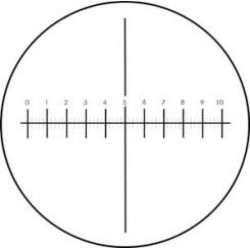
Brand: SkyWatcher
Okuliaras 10x mikrometrinis stereo mikroskopui
10 kartų didinantis mikrometrinis okuliaras ne tik praplės Jūsų stereomikroskopo galimybes, bet ir palengvins stebėjimą. Okuliaro viduje esančios mikrometrinės skalės dėka greitai ir patogiai galėsite nustatyti stebimo objekto ar jo dalies dydį...
39.00€
Ex Tax:32.23€
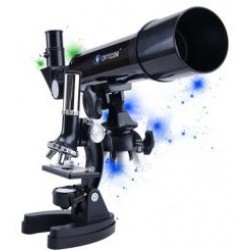
Brand: Opticon
Teleskopas + Mikroskopas Multiview
Tai puiki dovana pradedančiaja tyrinėtojui ir atradėjui. Tai du optikos prietaisai viename : teleskopas ir mikroskopas.
Su šiuo komplektu galėsite pasižvalgyti tiek po Visatos platybes, tiek po gamtą , tiek ir po mikopasaulį.
Astronominis achromatinis tele..
59.00€
Ex Tax:48.76€
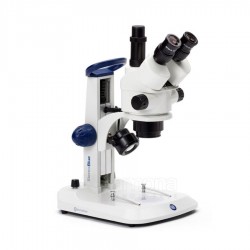
Brand: Euromex
Trinokuliarinė lupa Euromex StereoBlue trino zoom
Aukštos kokybės, puikios konstrukcijos ergonomiškas, kintamo didinimo stereo mikroskopas, kurie didindami leidžia geriau matyti tiriamus mikro objektus. Jie turi 3600 laipsnių apsukamą trinokulinę galvutę, kurios tubusų palinkimo kampas 450 laips..
595.00€
Ex Tax:491.74€
Showing 1 to 18 of 18 (1 Pages)